Historical Background of Nasarawa State
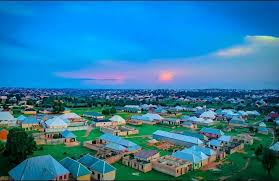
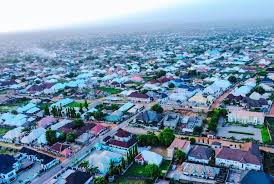
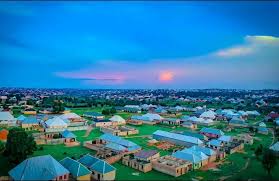
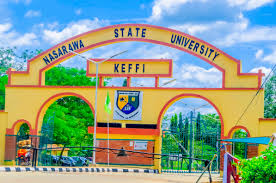
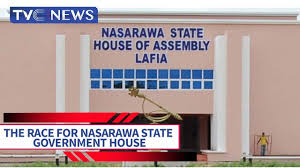
Nasarawa State, fondly referred to as the "Home of Solid Minerals", was created on October 1, 1996, from the old Plateau State by the military administration of General Sani Abacha. The state is located in North-Central Nigeria and shares borders with the Federal Capital Territory (Abuja), Benue, Kogi, Kaduna, and Taraba States.
The state has a rich cultural heritage, inhabited by diverse ethnic groups including the Eggon, Gwandara, Mada, Alago, Afo, and many more. Lafia, the state capital, serves as the political and administrative center. Nasarawa is well known for its abundant mineral resources such as tin, barite, and salt, which offer huge potential for industrial and economic growth.
Agriculture remains the mainstay of the economy, with crops like yam, cassava, maize, and sesame widely cultivated. In recent years, the state's strategic location near Abuja has accelerated urbanization, infrastructure projects, and investment opportunities.
My Proposal for Nasarawa State Development
The transformation of Nasarawa State begins with a bold vision to eradicate unemployment and unlock the economic potential embedded within our land, people, and culture. My proposal focuses on strategic pillars that will foster inclusive growth and sustained development across all sectors.
1. Self-Sufficiency and Economic Independence
One of the most resource-rich regions in the state is Nasarawa Eggon, blessed with abundant deposits of rocks and high-quality clay. These raw materials are ideal for extracting mineral resources and establishing a thriving ceramics industry. The clay alone is sufficient to set up factories that produce a wide range of ceramic goods, from bowls and tiles to sculptures, vases, plates, flower pots, cups, kitchen sinks, toilet bowls, electrical insulators, and decorative art pieces.
The government should begin by conducting thorough geological surveys and market feasibility studies. Once these foundations are laid, industries can be established that are powered by the state’s natural wealth. This initiative would not only reduce the high rate of youth unemployment, but also stimulate economic activity in surrounding communities, offering a new pathway for industrial growth.
According to industry reports, the global ceramics market size was valued at USD 262.80 billion in 2024 and is projected to grow to USD 421.88 billion by 2033, with a compound annual growth rate (CAGR) of 5.4%. Ceramics are primarily manufactured from materials such as carbides, oxides, and nitrides, all of which align with the natural resources available in Nasarawa.
By investing in this sector, Nasarawa State can become a major player in ceramics production, much like towns in Italy that have built global reputations around their ceramic craftsmanship. Beyond industrial development, this also presents an opportunity for tourism, education, and cultural pride.
3. Hills and Tourism Development
Located in the same area as the proposed ceramics hub are the majestic Eggon Hills. This offers a rare dual advantage of industrialization and tourism within a single axis. Beautifying the hills would attract tourists from across the country and abroad.
Beautification involves landscaping, planting trees, adding lighting, building accessible pathways, and signage. These efforts will transform the hills into a tourism gem like what we see in Europe. Below is an artistic impression of what our hills could become:
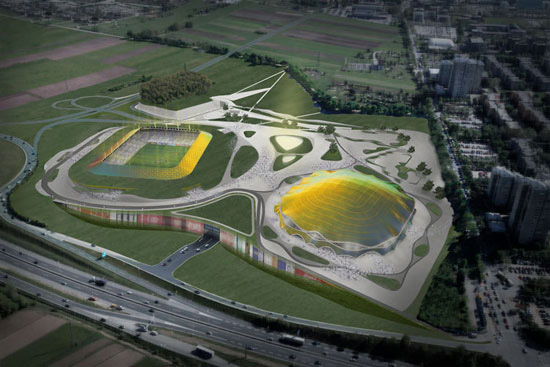
Example of artificial beautified hills (Source: designboom.com)
With proper access roads, toll gates, and enhanced security, the site will not only create employment but attract investors and elevate the state’s image nationally and internationally.
4. Local Empowerment Policy
To ensure the benefits of these initiatives remain within Nasarawa State, all companies operating in the state should be mandated to employ at least 75% local citizens. This policy will encourage skills development and ensure wealth circulates within the state.
5. Sports, Agriculture, and Security
Additional pillars of transformation include football development (via clubs and academies), agro-processing zones, and local policing technology for lasting peace. Together, these actions will directly address unemployment, hunger, and insecurity.
Agriculture remains the soul of every thriving economy, and Nasarawa State cannot ignore this. I urge the government to directly own and manage large-scale farmland of at least 10,000 hectares to begin with, dedicated to growing the most demanded food items at every season. This land should be fenced, secured, and properly managed by competent individuals from within the state to ensure both accountability and local empowerment. The crops planted can be diversified to reflect both immediate market needs and long-term sustainability.
Labour on these farms should be paid and structured, creating jobs for thousands of youth while restoring dignity to agricultural work. When harvest time comes, the food produced should be sold across the state and beyond, but with a clear mandate: 90% of the produce must be sold to Nasarawa citizens at subsidized rates. This will ease the burden on households, reduce food prices, and support nutrition security. No state can grow hungry.
In addition, the government must adopt a strict and strategic price control mechanism. The era of arbitrary food pricing must end. Those who inflate food costs artificially or hoard produce must be met with serious consequences. A well-fed society is a peaceful society, and Nasarawa must lead the way in proving that food can be affordable, available, and locally grown.
6. Conclusion
I, Kasimu Gaddafi Ali, with this humble vision and little knowledge, believe that if even a part of these ideas are implemented, Nasarawa State will stand tall among the giants of Nigeria. The time for excuses has passed, the time for implementation is now. With every step we take toward industrialization, food security, and tourism, we will unlock new revenue streams that will call for even greater development. We must reinvest in our hospitals, in our schools, in our roads, and in the lives of our people.
Transportation must also be addressed with bold reforms. The current cost of moving around is too high and unbearable for many. I recommend the government take direct control of public transport by deploying modern buses and taxis owned and managed by the state. This will provide safe, reliable, and affordable mobility for all. As employment opportunities expand, we must begin to phase out the use of motorcycles (popularly known as 'okada' or 'going') as a public transport system. This transition will not only reduce accidents but also restore order and dignity to our roads.
These state-managed buses should operate through designated bus stops, not random roadside pickups, to eliminate traffic congestion and reduce unlawful parking. The collection of fares should be digital, using mobile transfers or prepaid cards ensuring transparency, accountability, and safety. All collected revenue will go directly into the Nasarawa State government treasury, eliminating leakage and increasing trust in the system.
Let Nasarawa become a symbol of how vision, discipline, and commitment can turn a state into a model for others. Let us lead the future. Let us rise. Let Nasarawa State grow.

Kasimu Gaddafi Ali
Author & Visionary of the Nasarawa State Transformation Proposal
Contact Us
If you have suggestions or wish to collaborate, please reach out to the author.
Author: ~ Kasimu Gaddafi Ali
Email: gaddafikali@gmail.com